



"RV delivery" means two completely different things, and the one most renters are searching for is the one that's hardest to find a clean answer for. The other version — companies hauling an RV you own from Texas to Tennessee — owns the search results, even though that's not what most people want. So this guide leads with the disambiguation, then answers the questions that actually decide a rental delivery booking: how it works, what it costs, and the one thing you have to confirm before you book.
The short version:
- “RV delivery” can mean two things: shipping an RV you own from A to B, or renting an RV that is delivered to your campsite and set up for you.
- With rental delivery, the rig arrives at your site and is set up by the host; you do not drive it yourself if you booked a stationary rental.
- Delivery pricing varies by host and distance, and Outdoorsy notes that hosts may charge additional fees for delivery and setup.
- Confirm with your campground or festival whether third-party delivery is allowed before you book, because policies can vary by property.
- Delivery can make larger rigs, including fifth-wheels, accessible to renters without a tow vehicle and can reduce setup stress for first-timers
What's the difference between RV transport and RV rental delivery?
RV transport means moving an RV you already own, or one you bought from a dealer, from one location to another. RV rental delivery is a vacation rental that gets dropped at your campsite, set up, and picked up at the end of the stay. They share a word, but they are very different services.
In practice, that distinction matters because search results for “RV delivery service” often skew toward transport companies. If your intent is “I want an RV at my campsite without driving it,” the better term is rental delivery or stationary rental. Outdoorsy describes stationary rentals as RVs delivered to a campsite and left in place for the duration of the trip. If you want the broader concept laid out in plain terms, our stationary rentals explained guide covers it end to end.
How does getting a rental RV delivered to your campsite actually work?
You book a rental that offers delivery, the host drives it to your campsite inside their delivery radius, levels the rig, and hooks up electric, water, and sewer where the site supports it — then comes back at the end of the trip to pack it out. You never get behind the wheel.
The flow most renters follow runs in five steps: search by destination and dates, switch on the delivery filter, and message the host with the campsite address and your arrival date. The host confirms it's inside their delivery radius and quotes the delivery + setup fee. Once you've confirmed your campground allows third-party delivery (more on that below), you book. On arrival day, the host meets you at the site, levels the rig, plugs in shore power, connects fresh water and sewer if your site has them, and walks you through the systems — propane, water heater, awning, generator if it has one, the whole orientation. At the end of the trip you pack out your stuff and leave the rig; the host returns to tow or drive it away.
A few practical specifics worth knowing:
- Stationary rentals are a subtype of delivery — the rig stays in one spot for the whole trip and you don't drive at all. Insurance for stationary trips usually costs less than for driving rentals, since the rig isn't on the road.
- Setup walkthroughs vary by host. Some run a 30-minute orientation, others a quick five-minute "here are the breakers." If you're brand new to RVs, ask up front for a full walkthrough on systems and a number to call if something breaks.
- Pickup logistics matter. Most hosts pick up at check-out time on your departure day; confirm whether you need to be on site for the pickup or can leave.
How much does RV rental delivery cost?
Delivery pricing varies by host, rig type, and distance. Outdoorsy says hosts may charge additional fees for delivery and setup, and its own materials note that delivery can be billed as a flat fee, a per-mile fee, or a combination of the two. A useful way to think about it is that the delivery fee covers transport to and from the site, while setup covers leveling and hookups.
The important point is that delivery is usually an add-on, not part of the nightly rate. Outdoorsy also notes that service fees are charged to renters and that delivery, cleaning, and other add-ons can all affect the booking subtotal. If you are comparing options, run the full trip total both ways: delivered and stationary versus pickup and drive-yourself.
A note on transparency: hidden fees are one of the most common complaints in marketplace bookings, so confirm the delivery radius, per-mile rate, setup fee, cleaning fee, and protection package before you book. Outdoorsy’s fee pages show that delivery and add-ons can be part of the booking subtotal, which is another reason to review the full total before checkout.
Does the campground have to allow a delivered RV rental?
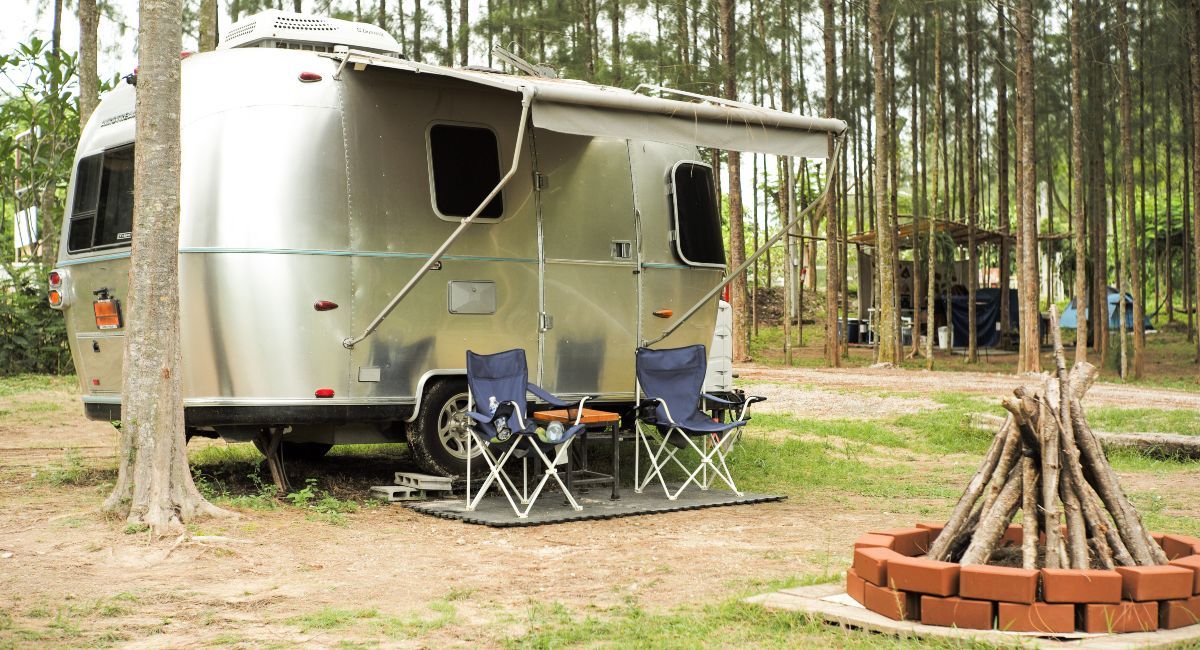
Yes. Not every campground or festival allows third-party RV delivery, and the policy is set by the campground or event organizer rather than the rental host. Confirm the rules before you book a delivered rental.
Delivery bookings can fall through when the site does not allow a third-party drop, so this is the first thing to verify. Campgrounds may restrict delivery for operational, liability, or property-policy reasons. Some festivals also have their own RV rules, and some may require offsite parking or prohibit certain RV arrangements altogether. Keep the check in writing when possible, especially if you are paying a delivery deposit.
Two ways to confirm:
- Call or email the campground with the host’s company name, the rig type and length, and your arrival date. Ask for written confirmation if possible.
- Read the campground’s RV or guest policy page and search for “third-party,” “delivery,” “guest RV,” or “drop-off.”
Who is RV rental delivery best for?
Delivery is best for first-timers who do not want to drive or hook up an RV themselves, renters without a tow vehicle who still want a larger rig, and travelers who want to fly to a destination and have the RV waiting. Outdoorsy says stationary rentals are especially useful for guests who do not have vehicles capable of towing larger campers.
A few common renter profiles where delivery helps:
- First-time renters who are nervous about driving a large rig. Delivery removes the driving part entirely, and a host walkthrough can help with the systems at the site.
- Renters without a tow vehicle who still want a fifth-wheel. Outdoorsy notes that stationary rentals can open access to larger campers.
- Fly-and-stay travelers. You can arrive by plane, take a rideshare to the campground, and have the RV waiting onsite.
- Families with young children. A delivered setup lets the trip start with the campsite already ready.
If you want to filter rentals for delivery in your area, the RV rental locations hub is the entry point.
Key takeaways
- Two services share the name “RV delivery”: transport, which moves an RV you own, and rental delivery, which brings an RV to your campsite.
- Rental delivery means the host brings the rig, sets it up, and later picks it up; stationary rentals stay in one place for the trip.
- Delivery fees vary by host and distance, and Outdoorsy says delivery and setup can be separate add-ons.
- Confirm campground or festival policy first, because third-party delivery is not universally allowed.
- Delivery is especially useful for renters without a tow vehicle, first-timers, and fly-and-stay trips.