
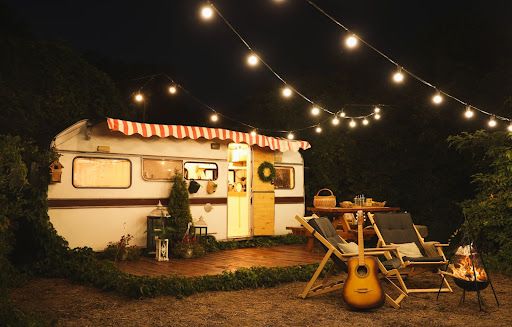
Route 66 turned 100 in 2026. The Mother Road was commissioned November 11, 1926, and the centennial year is, by any measure, the right one to drive it. Almost every "best Route 66 itinerary" on the SERP is built for a car-and-motel trip. This guide is built for renters in an RV: which rig fits the narrow main streets, the half-tank fuel rule that keeps you out of trouble in the abandoned stretches, the realistic two-week pacing, and the one-way Chicago-to-LA rental that turns a 2,400-mile round-trip into a clean point-to-point trip.
The short version:
- Route 66 runs about 2,448 miles across 8 states from Chicago to Santa Monica — plan about two weeks at 150–250 miles a day.
- A Class C is the sweet spot — big enough to live in, small enough for narrow small-town streets and motel lots not built for 40-foot rigs.
- Fill up at half a tank. Photogenic abandoned gas stations are abandoned for a reason; the gap between operating stations widens west of Albuquerque.
- Run it one-way Chicago → LA. The national centennial kickoff is April 30, 2026 in Springfield, Missouri, with a same-day Centennial Convergence at Santa Monica Pier (5 p.m., free). Most renters fly home from LA.
- Mix free BLM boondocking with KOA stops to keep a two-week trip affordable.
How long does it take to drive Route 66 in an RV?
Plan about two weeks for the full Chicago-to-Santa Monica run at a sane 150–250 miles a day. Ten days is the minimum for someone willing to skip stops; sixteen lets you actually stop at every photogenic neon sign and old diner. The slower pace — closer to 150 miles a day, four to six hours of driving — is what makes the trip the trip. Speeding through means watching the Mother Road through a windshield.
A few practical pacing specifics:
- The 3-3-3 rule applies. Drive no more than 300 miles, arrive by 3 p.m., stay at least 3 nights at meaningful stops (Albuquerque, Williams, Santa Monica). For Route 66, modify it: a softer 200-mile cap with a 3 p.m. arrival floor.
- Pickup eats day one. Class C pickup walkthroughs take 45–60 minutes, and you'll want a Chicago grocery run before pointing west. Plan day one's destination at 100–150 miles out, not 250.
- 2026 centennial timing. April 30 anchors the centennial — the national kickoff celebration is in Springfield, Missouri (the road's birthplace), with a same-day Centennial Convergence at the Santa Monica Pier at 5 p.m. If your dates align, finishing on April 30 puts you at the western terminus event. The summer months (June–August) work too but bring desert heat.
- Don't drive after dark in New Mexico and Arizona. Wildlife on shoulder lanes is real, and the historic alignments aren't always lit.
For navigation, the EZ66 Guide by Jerry McClanahan is the gold standard — almost every serious Route 66 traveler carries one. Your phone GPS will route you onto I-40 at every opportunity; the brown "Historic Route 66" highway signs and the EZ66 Guide keep you on the actual road.
Can you drive an RV on Route 66 — and what should you rent?
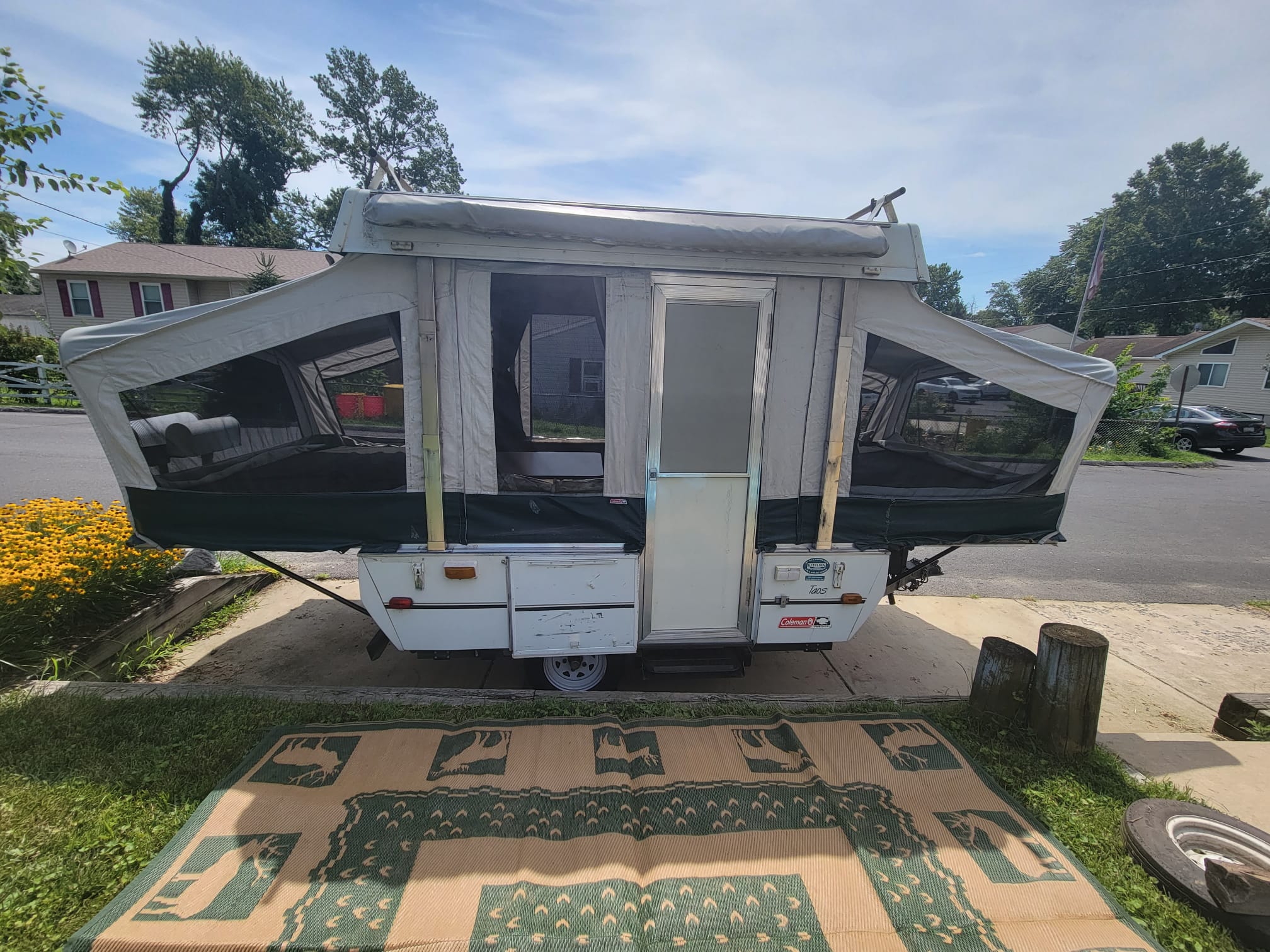
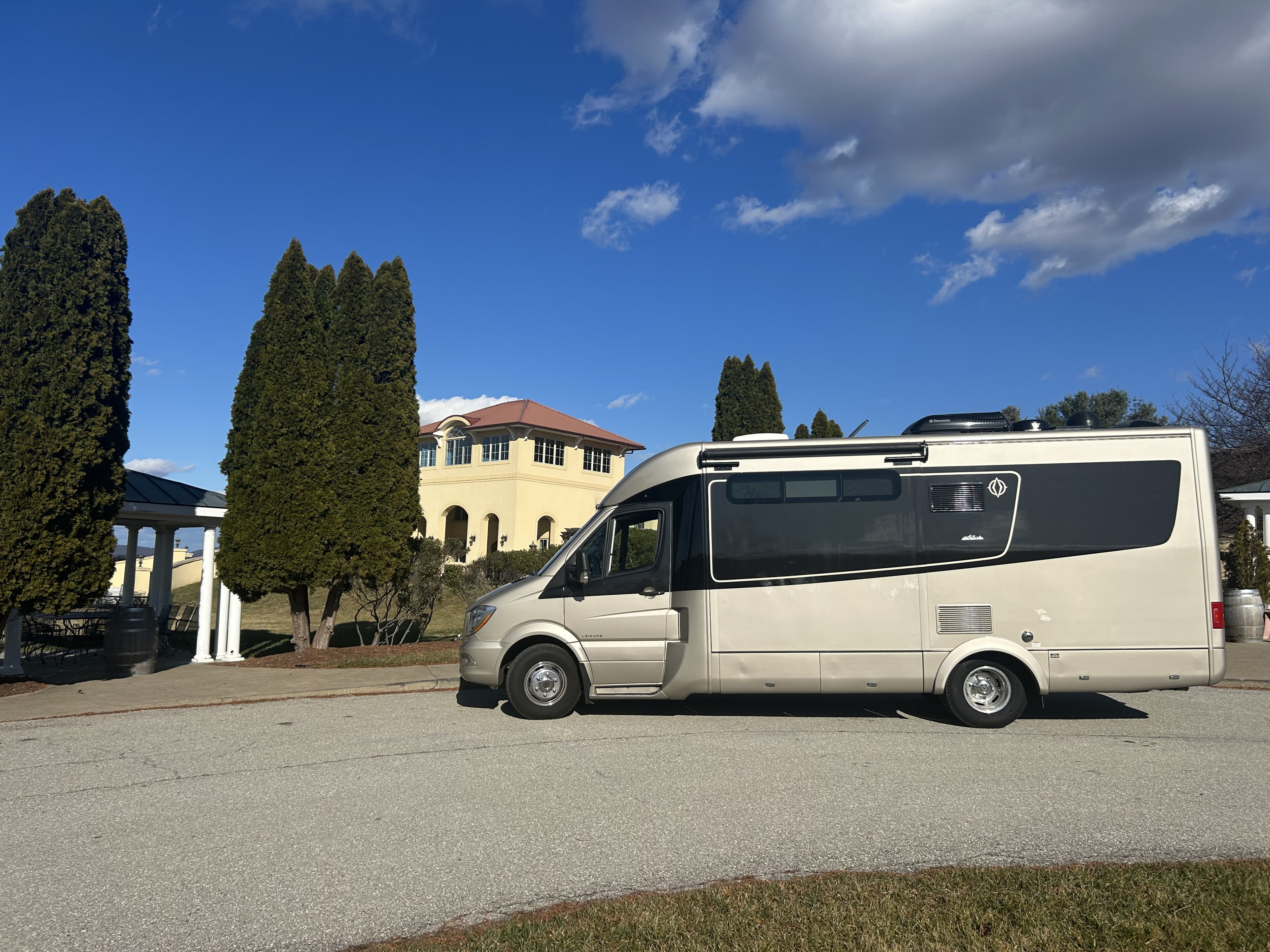
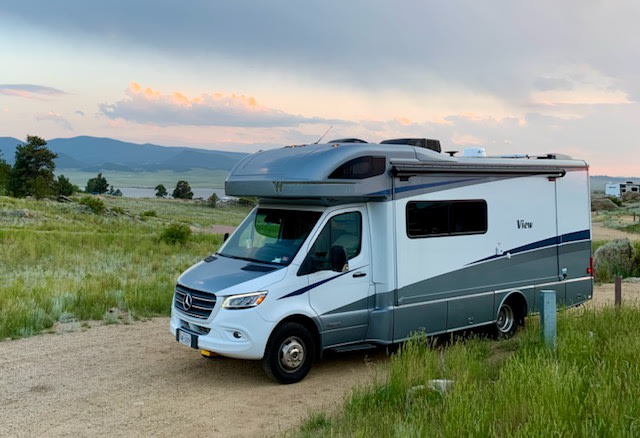
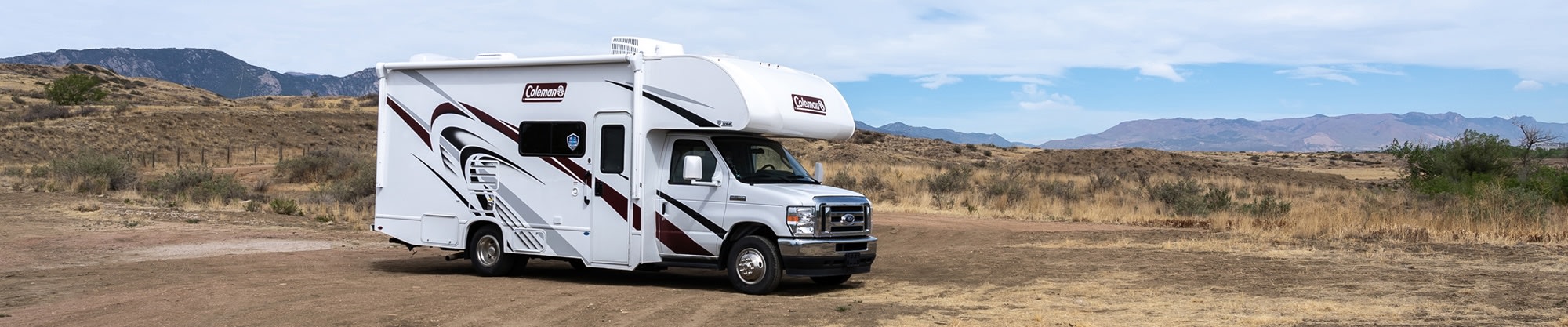
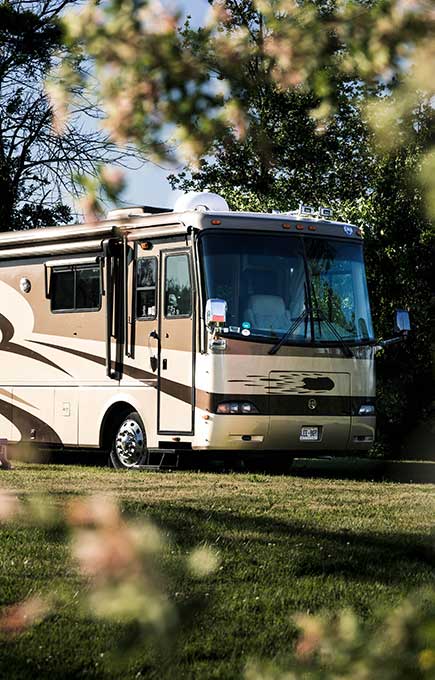
Yes, but pick your rig with care. A Class C is the sweet spot for Route 66: roomy enough to live in for two weeks, but nimble enough on narrow main streets and motel lots not built for 40-foot rigs. A Class A motorhome over about 30 feet is a constant logistical challenge — pulling into a Steak 'n Shake parking lot or a small-town park is harder than the drive itself. A Class B campervan handles everything but feels tight for two-plus weeks.
In our experience, the renters who love Route 66 rent a Class C, not a big rig — the Mother Road's small-town main streets and motel lots aren't built for 40 feet. The right fit by rig type:
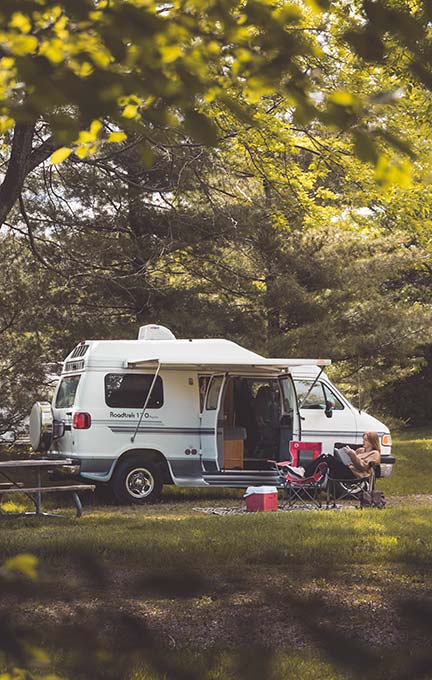
- Class B campervan (17–24 ft): Easiest to park and drive. Best for solo or couple. Tighter living for two weeks if you're not used to it.
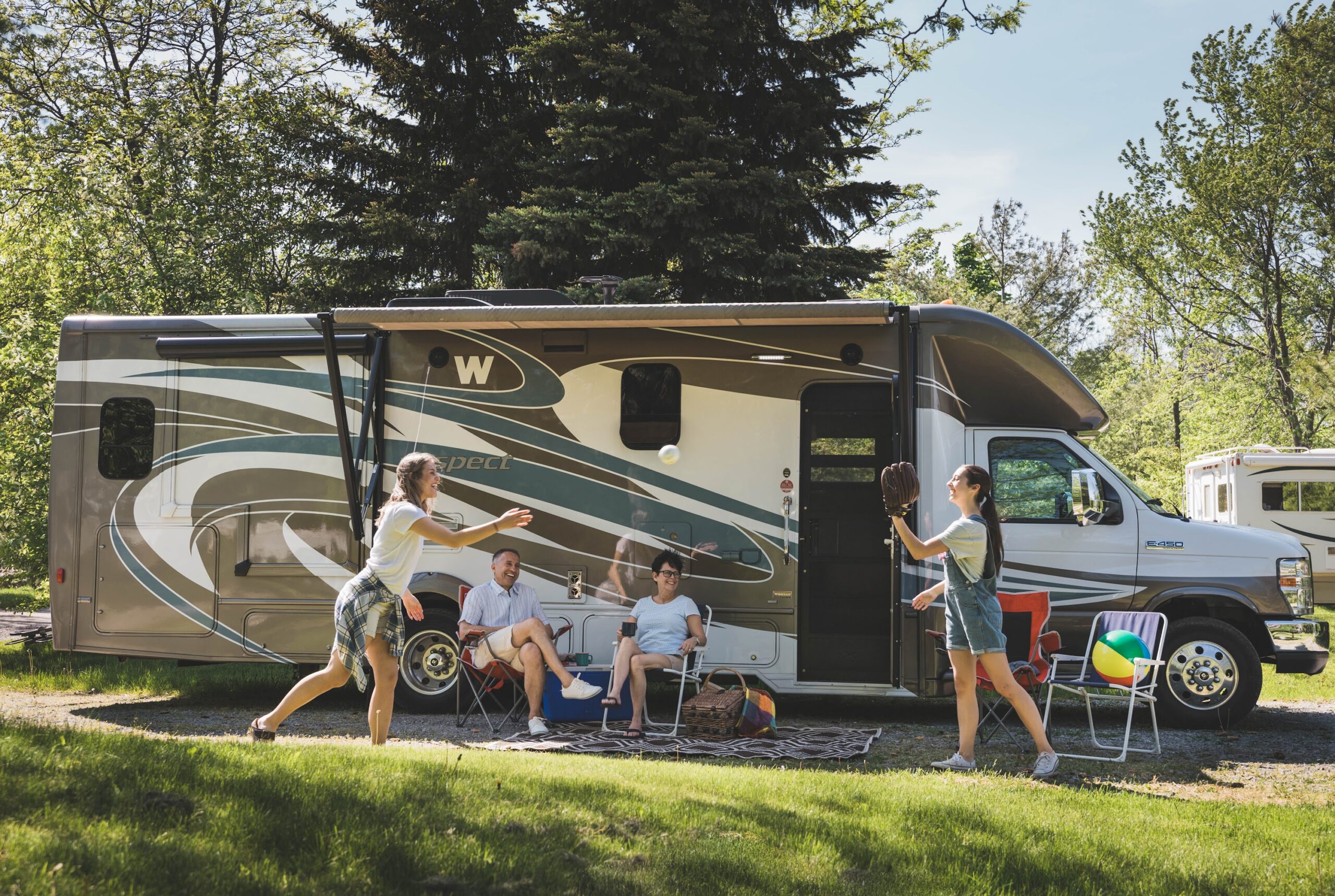
- Class C (22–32 ft): The Route 66 default. Living space and bathroom on board, but still maneuverable on narrow streets and gas-station lots.
- Class A (28+ ft): Doable, but the 100th-anniversary Route 66 was not designed for these. You'll skip some main streets and park further from sights.
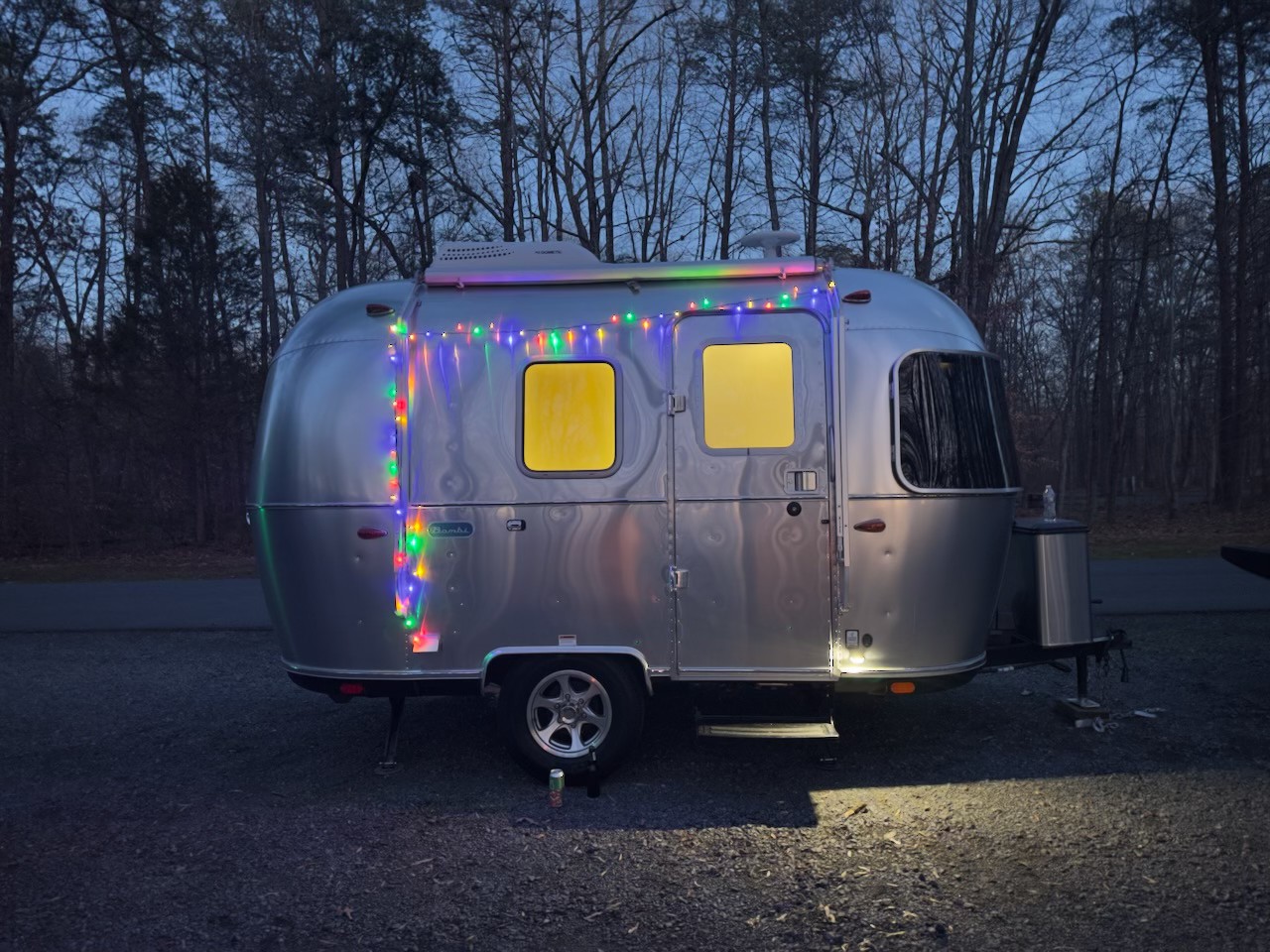
- Travel trailer + tow vehicle: Adds the backing-up-at-every-motel-parking-lot challenge. Easier if you've towed before; harder if you haven't.
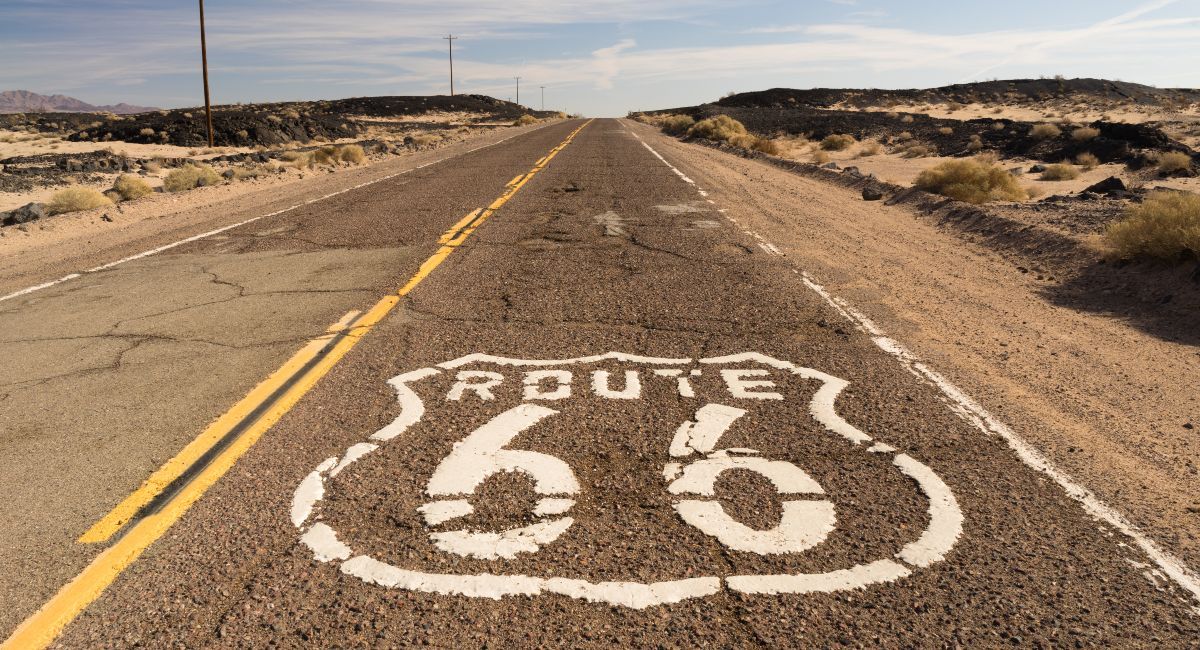
We've heard the same hard lesson from renters out west: fill up at half a tank, because the photogenic abandoned gas stations are abandoned for a reason. East of Oklahoma you can casually run on a quarter-tank; west of Amarillo, stations thin. From Tucumcari to Albuquerque, then again from Williams to Kingman, and especially the stretches west of Kingman, plan fuel stops at half-tank, not quarter.
If the rig question is the worry, our how-to-drive-an-RV guide covers the habits, and a nimble Class B or C for small-town streets is the right starting browse.
What's the Chicago-to-Santa Monica route, segment by segment?
The Route 66 RV trip, segment by segment: Chicago to Santa Monica
- Chicago → St. Louis (~300 miles, 2 days). Marquee stops: the Gemini Giant, the Pontiac Murals, and Riverton's Cozy Dog Drive In.
- St. Louis → Joplin (~285 miles, 1 day). Marquee stops: the Gateway Arch, Meramec Caverns, and the Cars on the Route Tow Mater statue.
- Joplin → Oklahoma City, crossing Kansas (~280 miles, 2 days). Marquee stops: the 13-mile Kansas section, Galena's tow Mater, and the OKC Route 66 Museum.
- Oklahoma City → Amarillo (~260 miles, 2 days). Marquee stops: the Round Barn, El Reno, and Cadillac Ranch just west of Amarillo.
- Amarillo → Albuquerque (~285 miles, 2 days). Marquee stops: the Tucumcari neon district, Russell's Travel Center, and the Mid-Point Cafe in Adrian.
- Albuquerque → Williams (~370 miles, 2 days). Marquee stops: Petrified Forest, the Wigwam Motel in Holbrook, and a side trip to the Grand Canyon.
- Williams → Kingman → Barstow (~330 miles, 2 days). Marquee stops: Seligman (the longest unbroken old Route 66 stretch), the Hackberry General Store, and the Oatman wild burros.
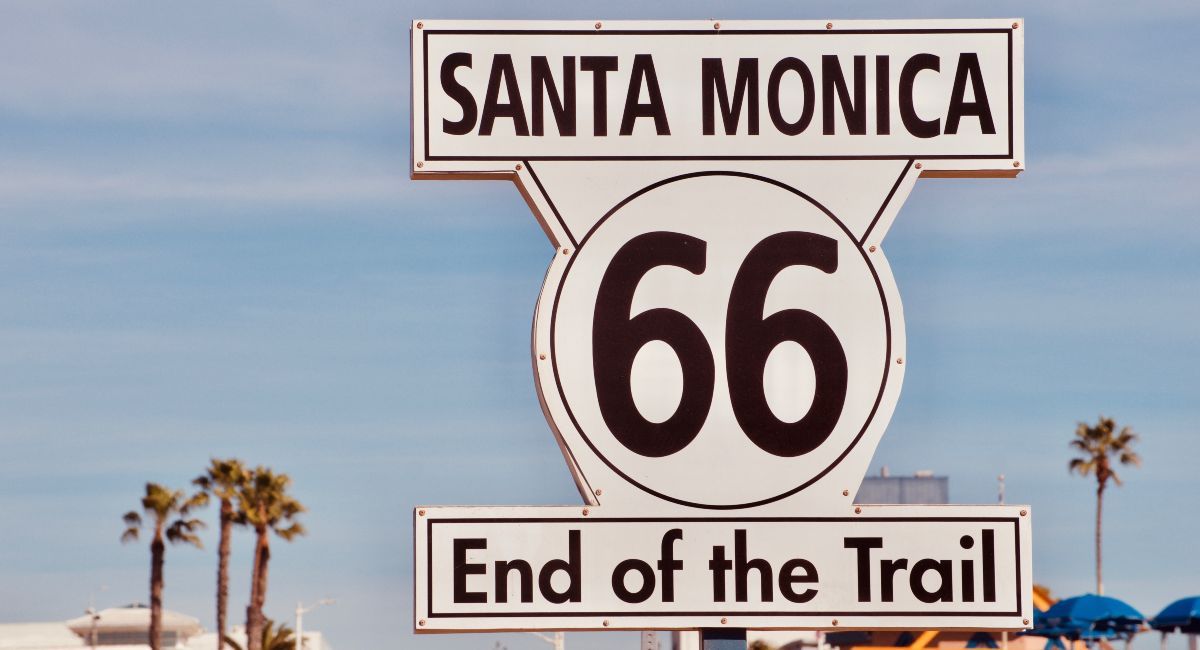
- Barstow → Santa Monica Pier (~140 miles, 1 day). Marquee stops: the Bagdad Cafe, San Bernardino, Rancho Cucamonga, and the End of the Trail sign.
That's roughly 2,448 miles across eight states — Illinois, Missouri, Kansas, Oklahoma, Texas, New Mexico, Arizona, and California — in about two weeks at a comfortable pace.
A few practical notes per region:
- Illinois–Missouri: Easy driving, plenty of fuel, KOAs around every metro. Spend a night near St. Louis.
- Kansas (13 miles): Catch all of it — Galena, Riverton, Baxter Springs. The smallest state crossing on the route.
- Oklahoma & Texas: The Mother Road's heart. OKC and Amarillo are the two cities where renters tend to give themselves an extra night. Cadillac Ranch is one of the most-photographed Route 66 stops; bring spray paint.
- New Mexico: Tucumcari's restored neon is the trip's first golden-hour moment. Albuquerque deserves two nights (Old Town, Sandia tram).
- Arizona: Williams and Kingman are the two natural overnights. The Williams overnight lets you side-trip to the Grand Canyon's South Rim, 60 miles north.
- California: Barstow to Santa Monica is the final push. Stay outside LA the night before, then ceremoniously finish at the End of the Trail sign on the pier.
Should you drive it one-way, and which direction?
Yes, drive it one-way, and go westbound. Westbound gives you the Pacific finale at Santa Monica Pier — the natural emotional payoff for a coast-to-coast trip and the location of the official 100th-anniversary ceremonies in 2026. Outdoorsy hosts in Chicago and LA both run one-way rentals between the two cities, removing the 2,400-mile backtrack.
The one-way logistics:
- Pick up in Chicago (or in Joliet/Naperville suburbs). Albuquerque on the Route 66 corridor and Kingman, a classic Route 66 stop are mid-trip pickup options if you want a shorter segment.
- Drop in LA, Burbank, or Long Beach. Most Outdoorsy hosts accept LA-area drop-offs from a Chicago pickup. Expect a one-way fee.
- Fly home from LAX, Burbank, or Long Beach. Direct flights to most US cities make the finish easy.
The eastbound option works for renters whose home is closer to Chicago than LA, but it's the less common direction — most travelers prefer ending at the Pacific. For the rest of the route's directional logistics, the one-way RV rental explainer covers the basics. Our road trip guides hub is the wider browse.
Key takeaways
- 2,448 miles, 8 states, ~2 weeks. Pickup eats day one; plan day-one stop at 100–150 mi out.
- 2026 is Route 66's 100th anniversary. The official kickoff is April 30 at Santa Monica Pier.
- A Class C is the right rig. Class B for a solo/couple, Class A only if you're an experienced driver.
- Fill up at half a tank west of Amarillo. Abandoned stations are abandoned for a reason.
- Run it one-way, westbound. Chicago pickup to LA drop-off saves the long return.
About this guide
This guide was prepared by the Outdoorsy editorial team. The 2,448-mile Chicago-to-Santa Monica route, eight-state alignment, 2026 centennial dates (Route 66 was commissioned November 11, 1926; the April 30, 2026 kickoff anchors the centennial year), and the half-tank fuel rule were verified on June 12, 2026 against primary sources: the NPS Historic Route 66 corridor page, the Wikipedia U.S. Route 66 article, and EZ66 Guide community references. Route 66 specifics change every year — confirm operating status of any named stop before you go.