

Few trips deliver like Alaska in an RV — Denali on the horizon, glaciers off the highway, and 18 hours of summer daylight to use however you like. The catch is that most Alaska RV listings online are booking funnels, long on photos and short on the honest numbers you actually need to plan. So here's the transparent version: what it costs in 2026, when to go, whether to rent one-way, and how to route a Denali and Kenai trip without the guesswork.
The short version:
- Alaska motorhome rentals typically run about $190–$280 a night, with the average around $275; larger Class A rigs start near $250 a day and smaller trailers run lower, roughly $120–$170.
- The season runs late May to early September; June and July are the sweet spot, and the shoulder weeks (May, late August, early September) often save 10–20%.
- One-way rentals are common — pick up in Anchorage and drop in Fairbanks if your route doesn't loop back.
- Rent a self-contained rig; many Alaska campgrounds, including Denali's, have no hookups.
- In 2026, plan your Denali leg around the Park Road being open only to about Mile 43.
How much does it cost to rent an RV in Alaska?
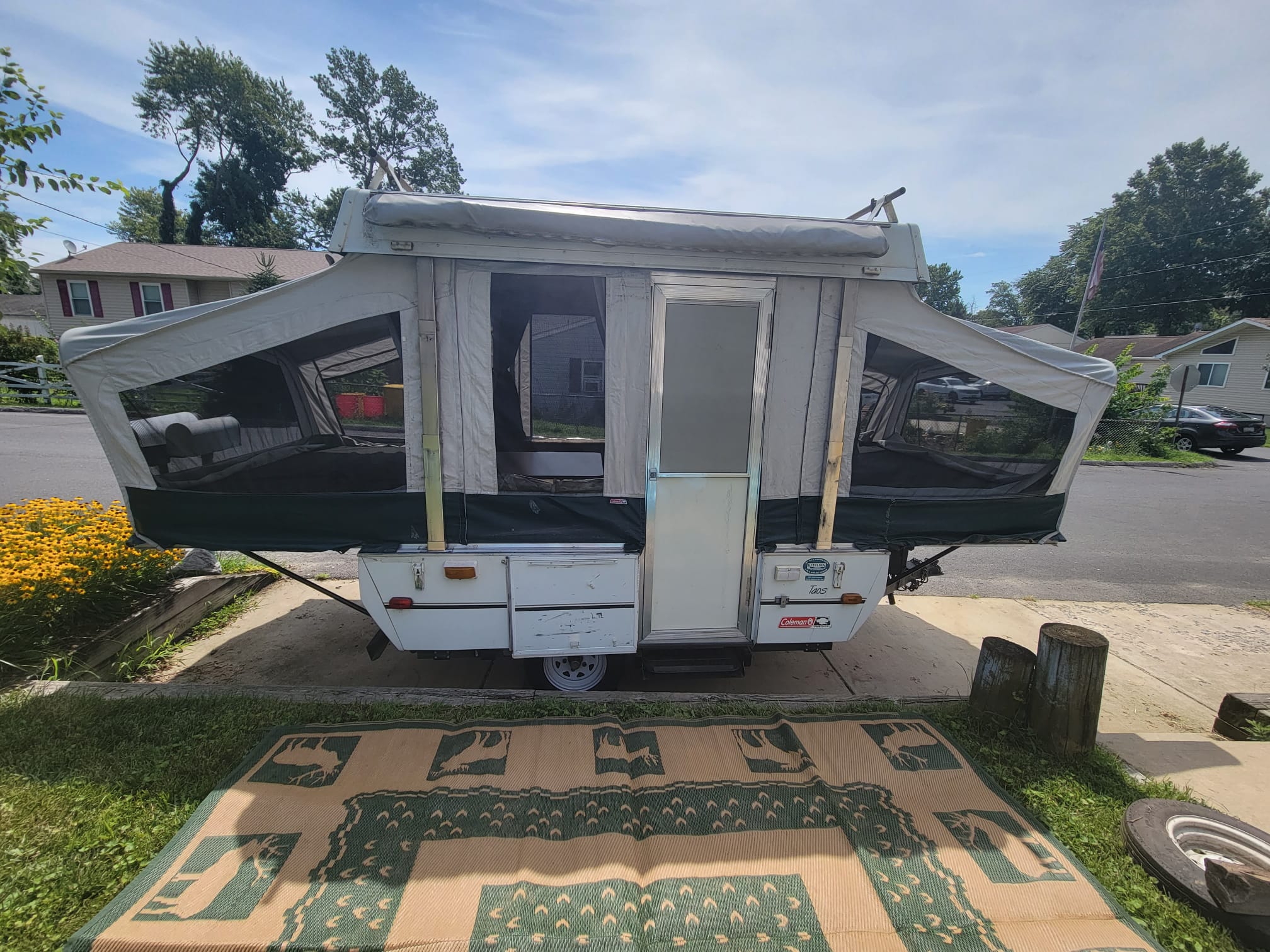
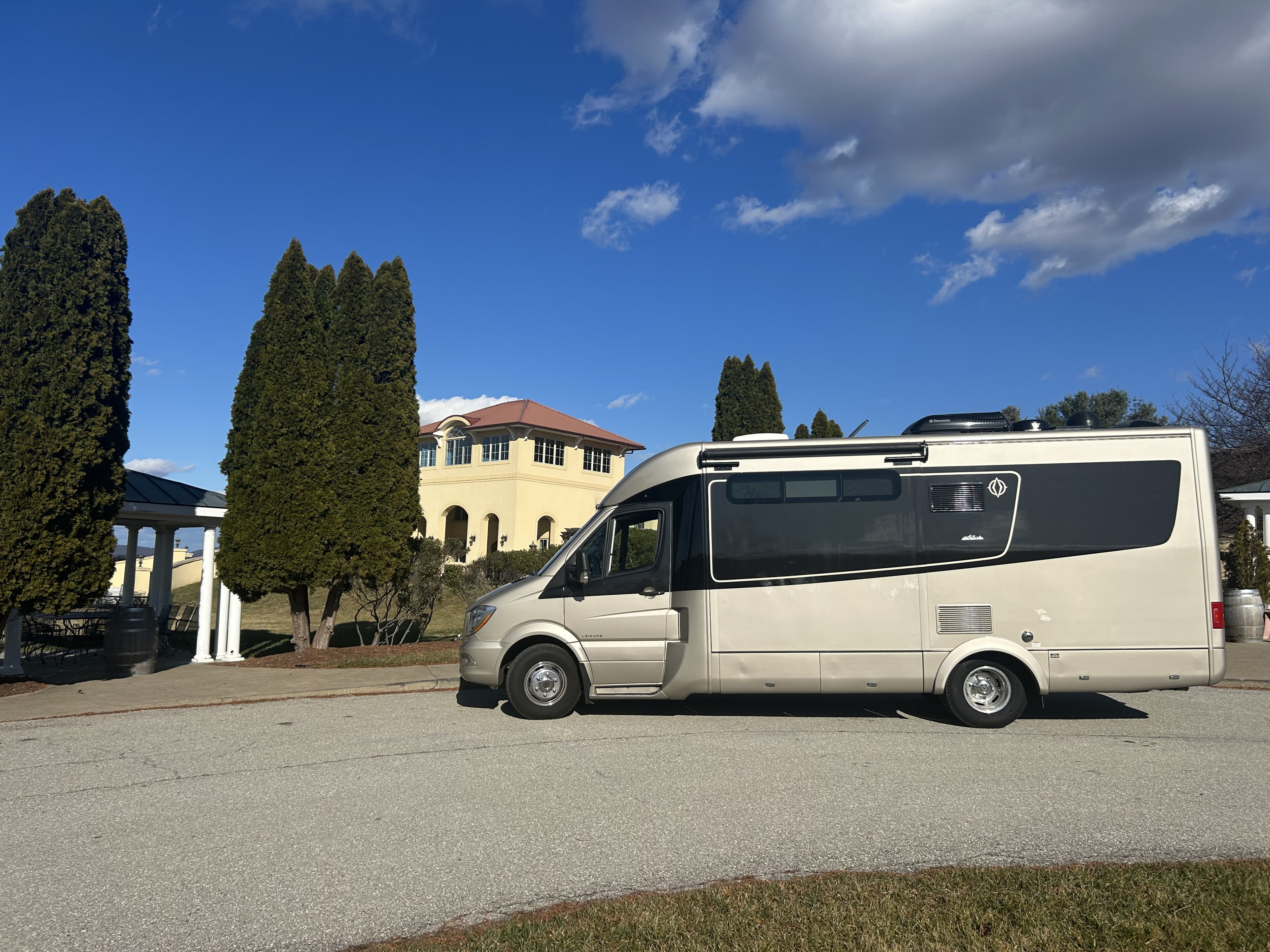
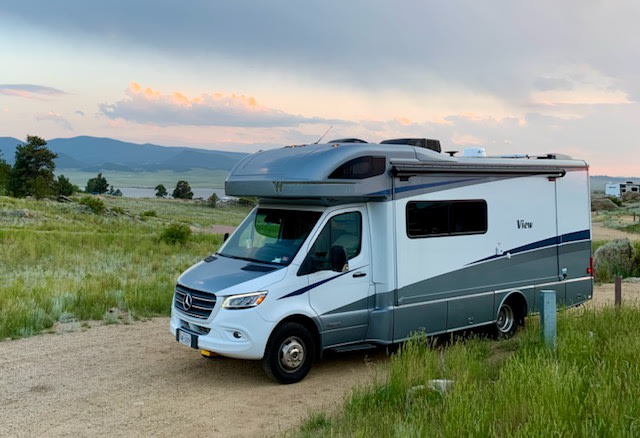
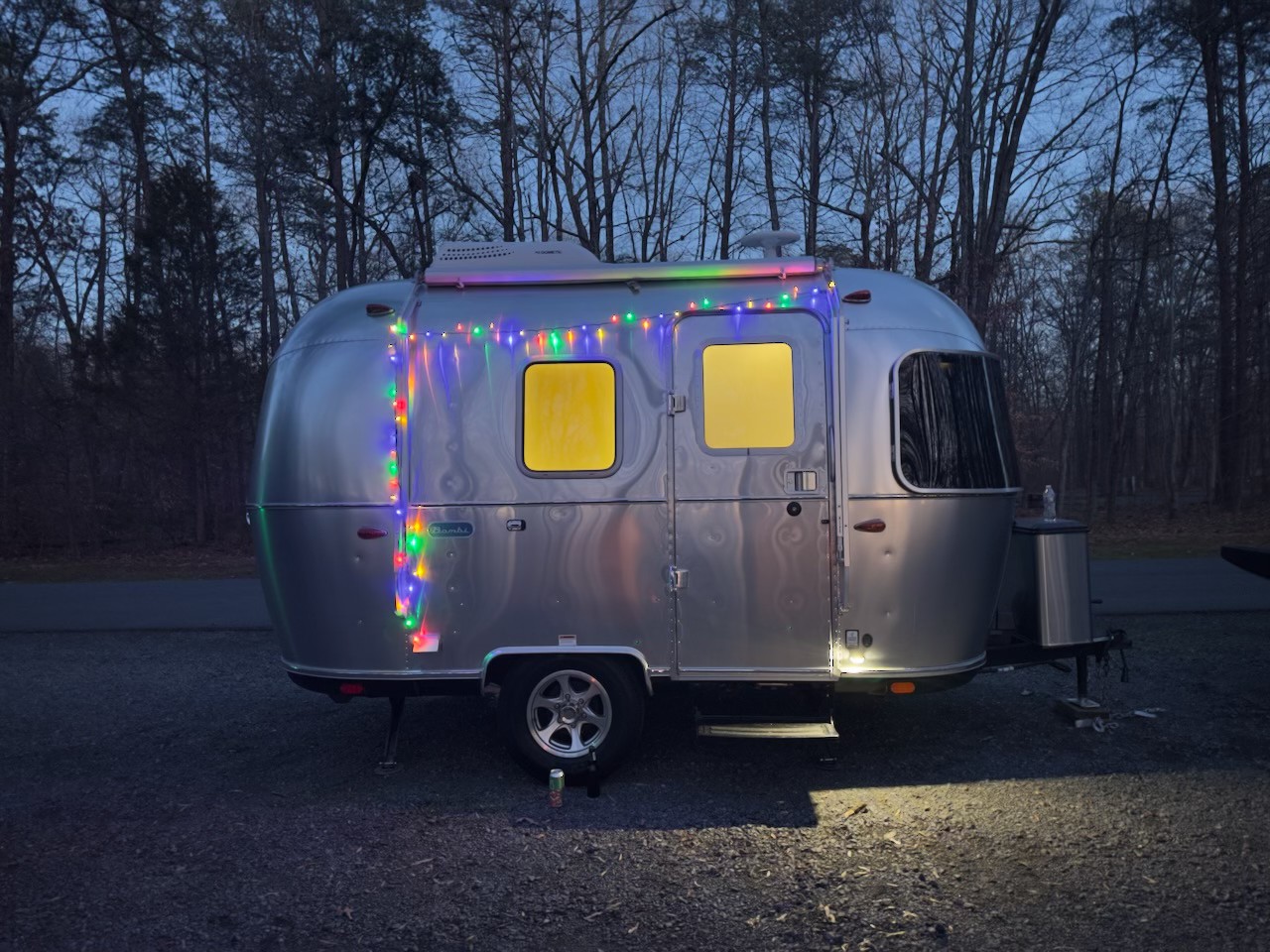
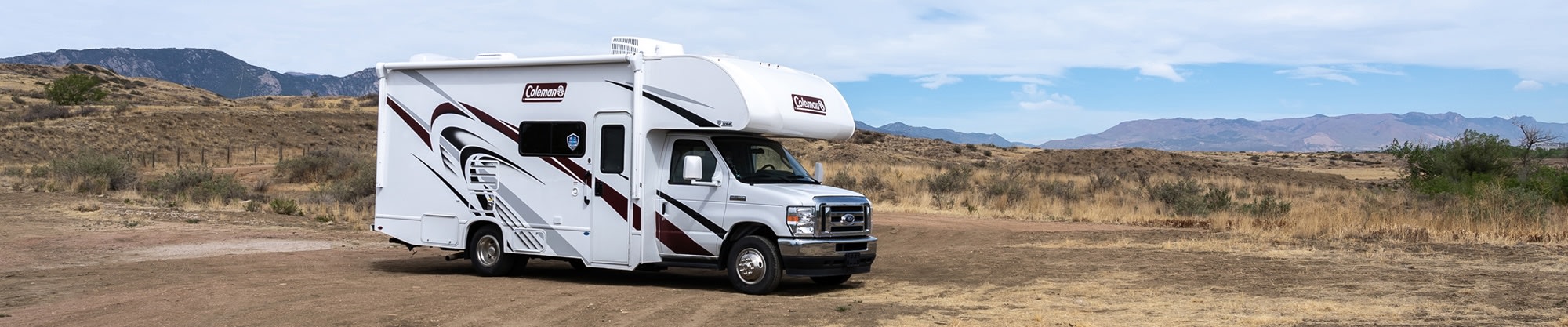
Plan on roughly $190–$280 a night for a motorhome in Alaska, with the average around $275; larger Class A rigs start near $250 a day, smaller Class C motorhomes near $200, and travel trailers run lower at about $120–$170. On top of the nightly rate, budget for fuel (Alaska's distances are long and RVs aren't thrifty), campground fees, and any airport transfer or one-way drop charges.
The good news for budget-minded renters is that length and timing both cut the cost. Many hosts offer weekly or monthly discounts in the 10–20% range, so a longer trip lowers your per-night number, and the shoulder weeks are meaningfully cheaper than mid-July. We've watched renters save real money by booking the shoulder weeks in May or early September instead of peak summer. A marketplace also gives you a wider spread of rigs and prices than a standard fleet counter — you can size up Alaska RV rentals across classes and budgets rather than taking whatever's on the lot.
When is the best time to rent an RV in Alaska?
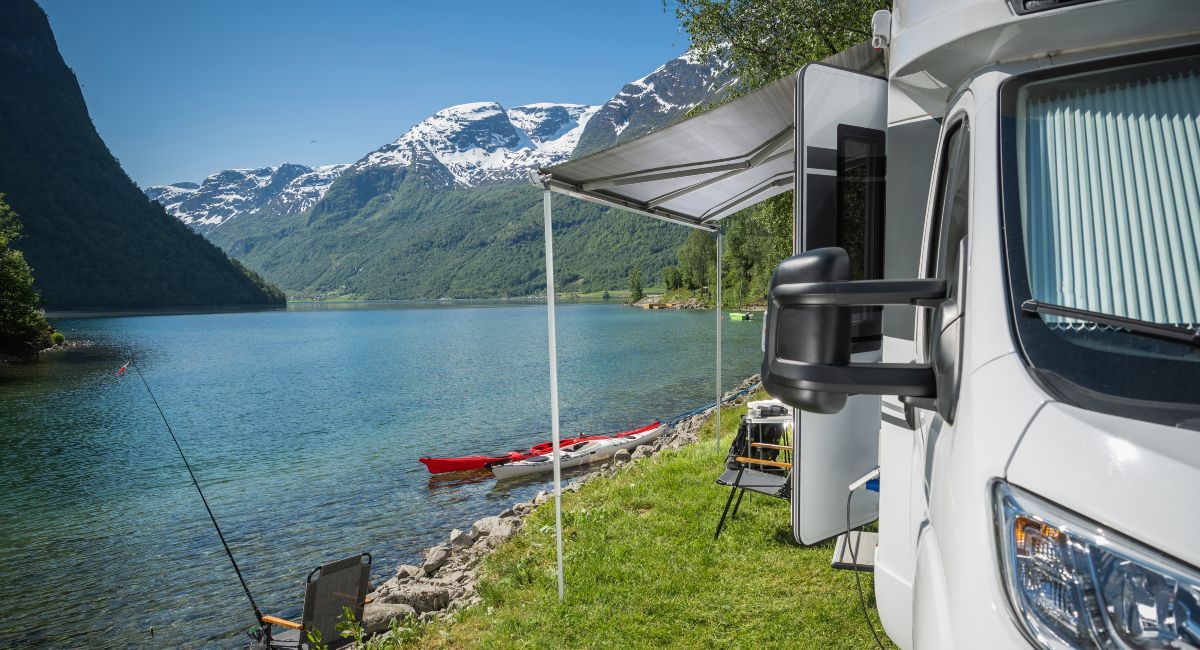
The Alaska RV season runs late May to early September, with June and July the sweet spot — long daylight, temperatures in the low 70s, and everything open. May and early September are the value shoulders: fewer crowds, lower rates, and still-accessible parks, with the trade-off of cooler weather and some seasonal services winding down.
Daylight is the secret weapon. Around the solstice you get roughly 18 hours of usable light, which means a flat tire or a long grocery run doesn't cost you the day, and you can hike or drive late into the evening. If saving money matters more than peak weather, the shoulder months are the move — I'd book late August or early September for the mix of fall color, the start of the aurora season, and softer pricing. Whenever you go, reserve two to four months out for a summer trip; popular campgrounds near Denali and on the Kenai fill fast.
Can you rent an RV one-way in Alaska?
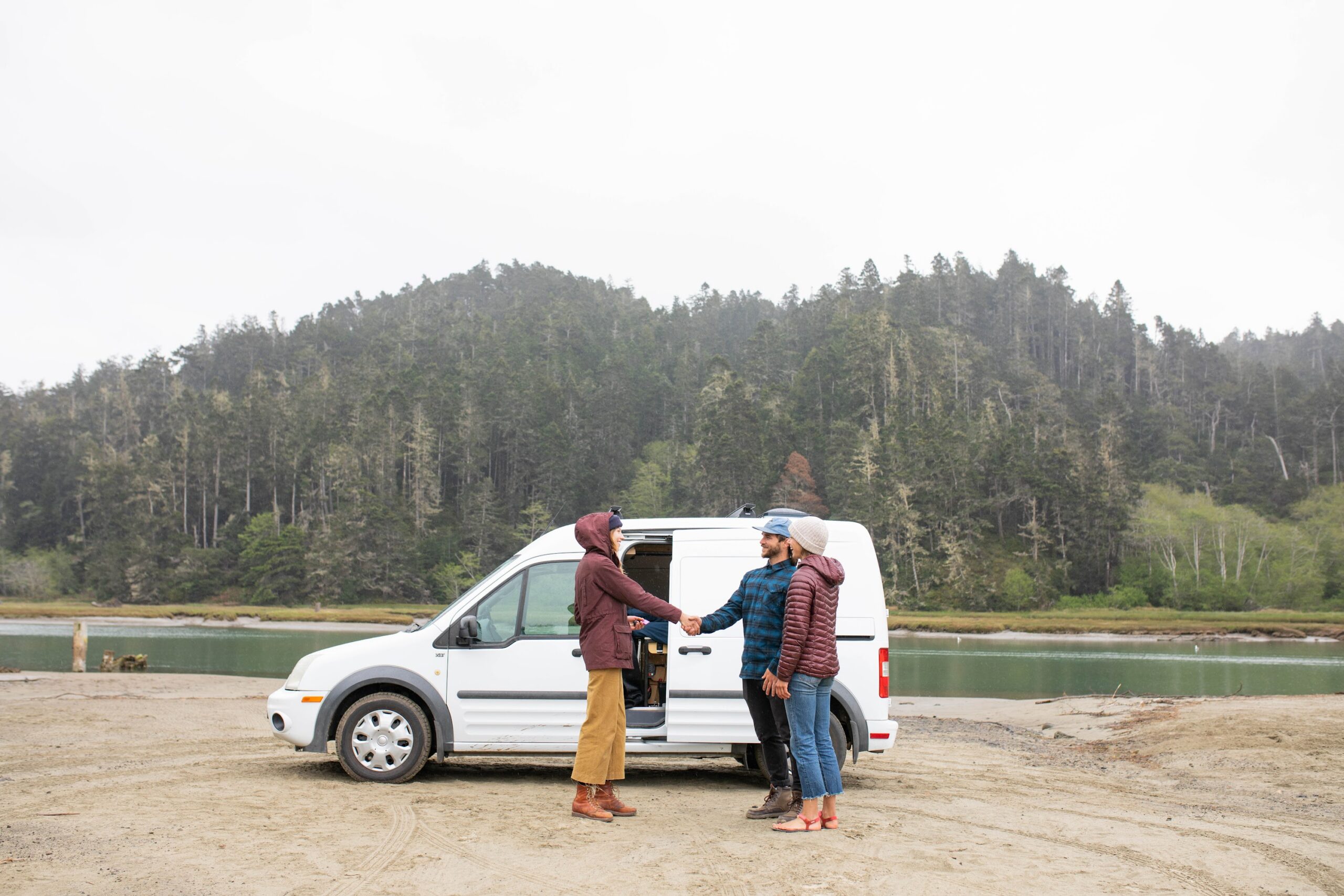
Yes — one-way rentals are common in Alaska and make sense whenever your route covers big distances rather than looping back. The classic example is picking up in Anchorage and dropping in Fairbanks after a Denali run, so you don't backtrack hundreds of miles to return the rig where you started.
Renters we talk to love the one-way option for exactly that reason — it turns a there-and-back drive into a true point-to-point trip. Expect a one-way drop fee, and confirm the specific pickup and drop-off cities a host supports before you book; one-way RV rentals aren't offered on every listing. If you'd rather skip the pickup-counter day entirely, the other option is delivery — have a rig dropped and set up where you're starting. Our guide to having an RV delivered covers how that works.
What size and type of RV should you rent for Alaska?
For most Alaska trips, a self-contained rig 40 feet or under is the sweet spot — big enough to live in for two weeks, small enough for the parks, and equipped to camp where there are no hookups. Self-contained matters more here than in the Lower 48 because many Alaska campgrounds, including Denali's, have no electric, water, or sewer at the site.
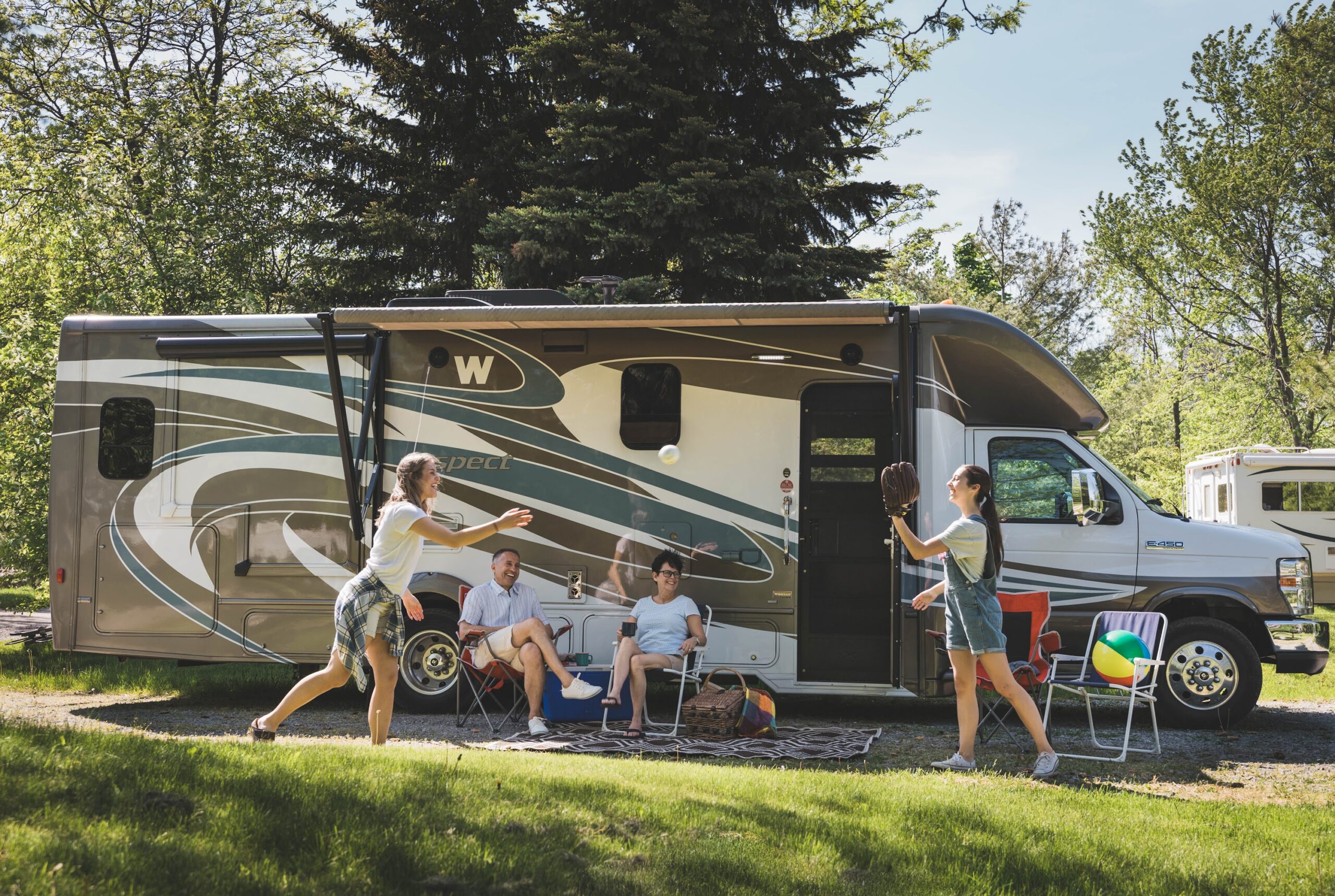
Class C motorhomes hit the balance most renters want: a real bed, a bathroom, a kitchen, and a footprint that handles park campgrounds and pull-offs. Renters we hear from who went too big often wish they'd sized down — the extra length is a liability on Alaska's narrower roads and in the park campgrounds more than it's a comfort. Class A rigs add living space for families or longer trips, while camper vans trade space for nimbleness on narrow roads. Whatever the class, look for a working furnace (Alaska nights get cold even in summer) and fresh, gray, and black tanks sized for a few days between dump stations. For the Denali leg specifically, the campgrounds favor rigs 40 feet and under — see the full Denali camping guide for the per-campground details.
Where do you pick up, and what's the best Alaska RV route?
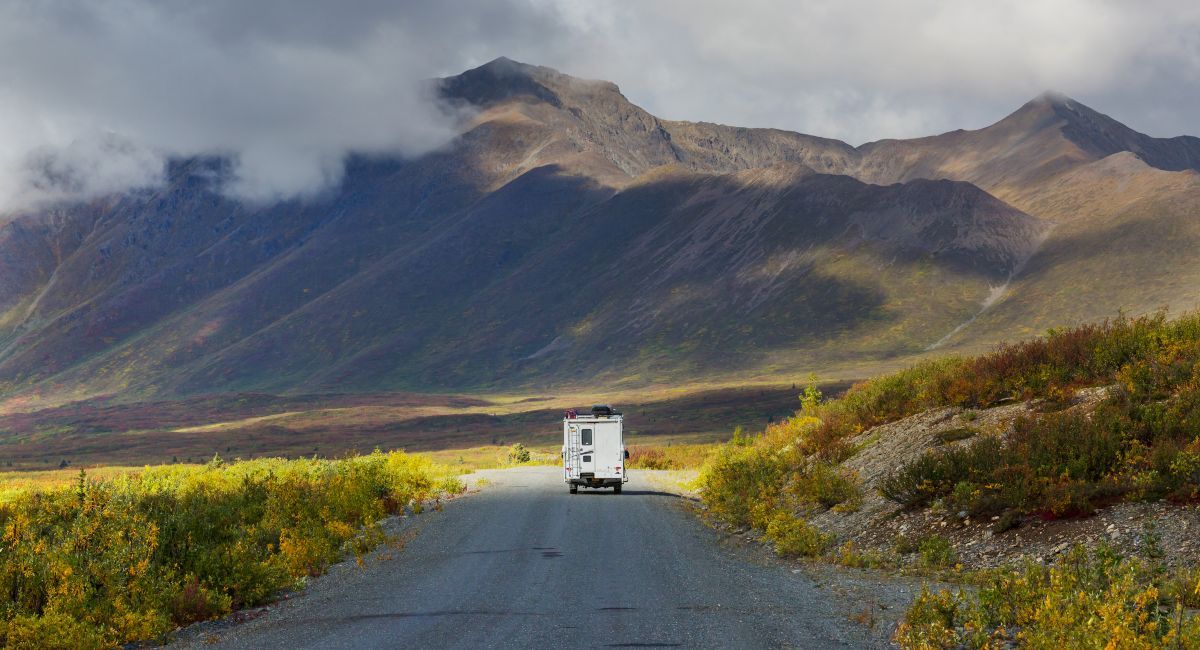
Most Alaska RV trips start in Anchorage — it has the flight connections and the rentals — and the classic route runs north to Denali, then south to the Kenai Peninsula and Seward. Give it 10 to 14 days; Alaska's distances are long, and the scenery is the point, so you don't want to rush.
A clean loop looks like this: pick up in Anchorage, drive north to Denali National Park for a couple of nights, then swing south through Anchorage to the Kenai Peninsula, basing in Seward, the Kenai Fjords gateway for glacier and wildlife cruises. The Denali-to-Seward drive alone is about 360 miles and seven hours before stops, and Seward sits roughly 3.5 hours south of Anchorage. One 2026 planning note: the Denali Park Road is open only to about Mile 43 this season because of an ongoing landslide repair, so build your Denali days around the accessible front country and the park bus service rather than a drive to Wonder Lake.
Is renting an RV really the best way to see Alaska?
An RV is one of the best ways to see Alaska if you value flexibility and want to sleep near the parks — but it isn't automatically the cheapest option, so the honest answer depends on your trip. The first question Alaska renters ask us is whether an RV is actually cheaper than flights plus lodging; we give the honest answer that it's about flexibility and basing in the wild, not always the lowest price.
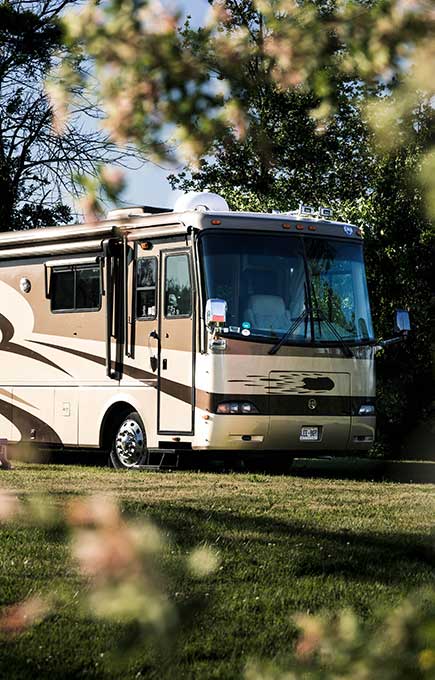
Here's the trade. An RV rolls your transportation, lodging, and kitchen into one and lets you wake up trailside, change plans on a whim, and skip the hunt for summer hotel rooms that book out early and run high. Against that, you're paying for fuel over long distances and a nightly rate that, for a family, can rival a hotel. For a multi-week trip with national parks at its center, the flexibility usually wins; for a short, city-anchored visit, lodging plus a car might pencil out better. If the freedom and the wake-up views are what you're after, Alaska in an RV is hard to beat.
Key takeaways
- Budget roughly $190–$280 a night for a motorhome (average around $275), plus fuel, campgrounds, and any one-way or transfer fees.
- Go late May to early September; June–July is peak, and the shoulder weeks save 10–20%.
- One-way rentals are common — Anchorage to Fairbanks is the classic, with a drop fee.
- Rent self-contained, 40 feet or under — many Alaska campgrounds, including Denali's, have no hookups.
- Plan the Denali leg around the 2026 Mile-43 road status and give the whole trip 10–14 days.
About this guide
This guide was prepared by the Outdoorsy editorial team. Pricing, seasonal windows, routing, and the 2026 Denali Park Road status were verified in June 2026 against sources including alaska.org's RV rental guide, the National Park Service Denali camping page, and current 2026 Anchorage rental pricing. Rates and road status change through the season — confirm current details before you book.