
Every "best RV trip" listicle starts with a destination list. The trips parents actually remember start somewhere else: with pacing, layout, and a rig that fits the destination they picked. This guide leads with the family logistics, then attaches five trips, each paired with the rental class and size that actually fits the place. The picks aren't ranked best-to-worst, they're matched to family circumstances.
The short version:
- The best family RV trip isn't about distance, it's about pacing. Keep drives short and don't try to do it all.
- Use the 3-3-3 rule with kids: drive less than 300 miles, arrive by 3 p.m., stay more 3 nights at meaningful stops.
- Match the rig to the trip: a smaller Class C for tight park loops, a bunkhouse trailer for a base-camp resort week.
- Renting can beat flights + a hotel for a family, but only when you do the honest math.
- Five family-tested trips below, each paired with the right rig and a kid-friendly base.
How do you pace a family RV trip so it actually works with kids?
Pace it with the 3-3-3 rule — drive no more than 300 miles in a day, arrive by 3 p.m., and stay at least 3 nights at meaningful stops. Then layer one more rule for kids: drive during naps. A two-hour drive that happens during a midday nap is a non-event. A two-hour drive at 4 p.m. with a tired toddler is a tantrum.
In our experience, the families who come back raving are the ones who picked one base and stayed put, not the ones who chased five parks in seven days. The number-one fixable mistake is trying to do too much. Renters we talk to who travel with toddlers tell us the trip works when they do the driving during naps and let the afternoons be slow.
A working family pacing template:
- Day 1: pickup + 100 miles. Pickup walkthrough eats 45–60 minutes; add a Walmart stop for groceries. Plan day-one's stop at 100–150 miles out.
- Days 2–4: base 1. Three nights at one campground, day-trip to the marquee sights.
- Day 5: travel day. 200–300 miles to the next base, ideally during nap time.
- Days 6–8: base 2. Three nights at the second campground.
- Day 9: return travel. 100–250 miles toward the drop-off point.
- Day 10: drop-off. Plan return by 11 a.m.; most hosts require it.
The shorter the trip, the more this matters. A 7-day trip can comfortably hit one base; a 10-day, two bases; a 14-day, three. More than three bases in a week is the recipe for the trip becoming a series of drives.
What RV layout is best for a family with young kids?
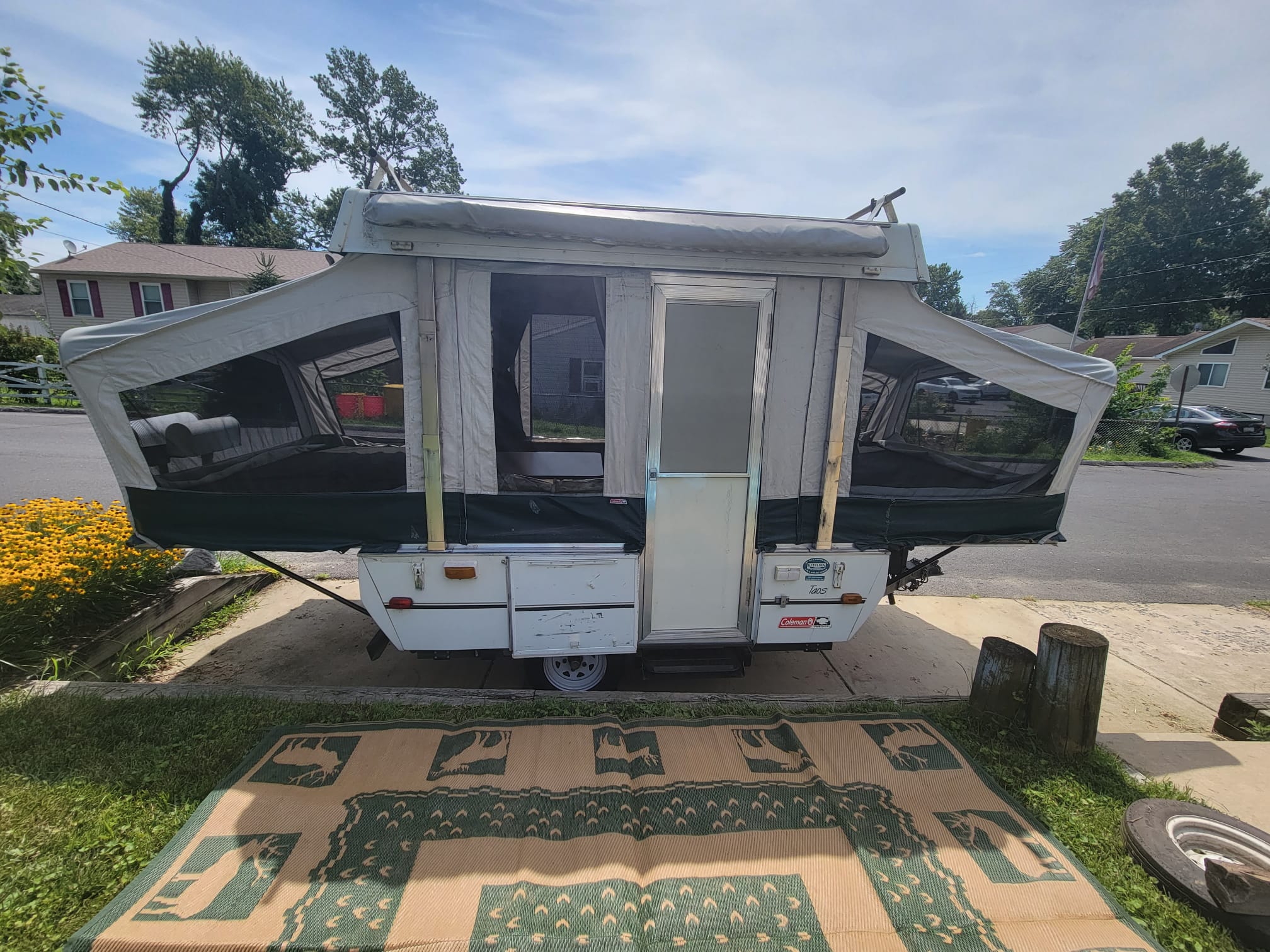
A bunkhouse layout; a dedicated kids' bunk room at the back of the rig, is the best long-trip pick for families with two-plus kids. It gives kids their own sleep-and-play space and lets adults retreat after bedtime. For shorter trips or single-kid families, a Class C motorhome with a cab-over bunk works without the bunkhouse footprint.
The two layouts in plain language:
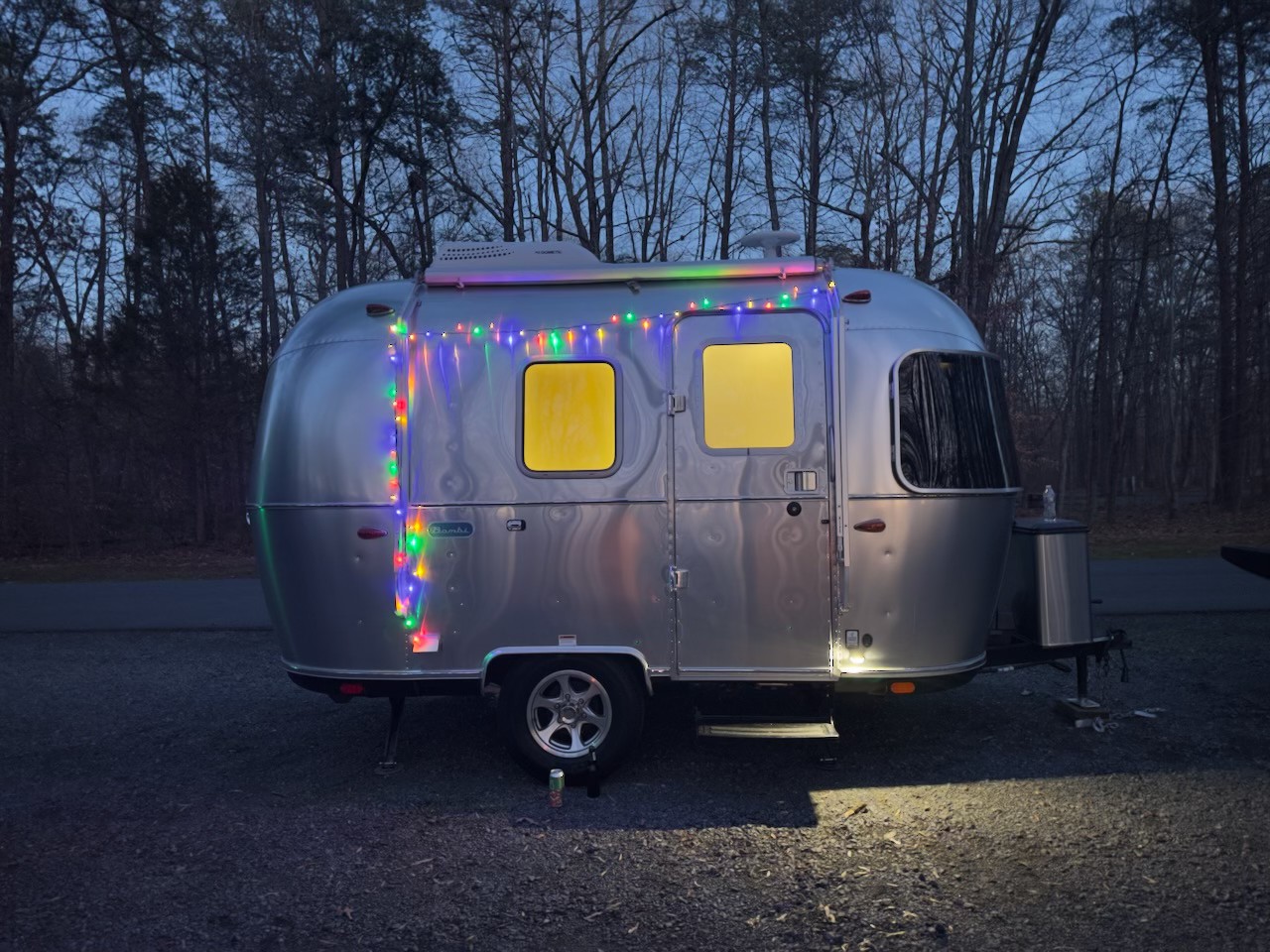
- Bunkhouse travel trailer or fifth-wheel. A 28- to 35-foot trailer with a separate rear bunk room. Kids share that space; adults take the master bedroom or convert the dinette. Tow vehicle required. Sleeping capacity: usually 6–8.
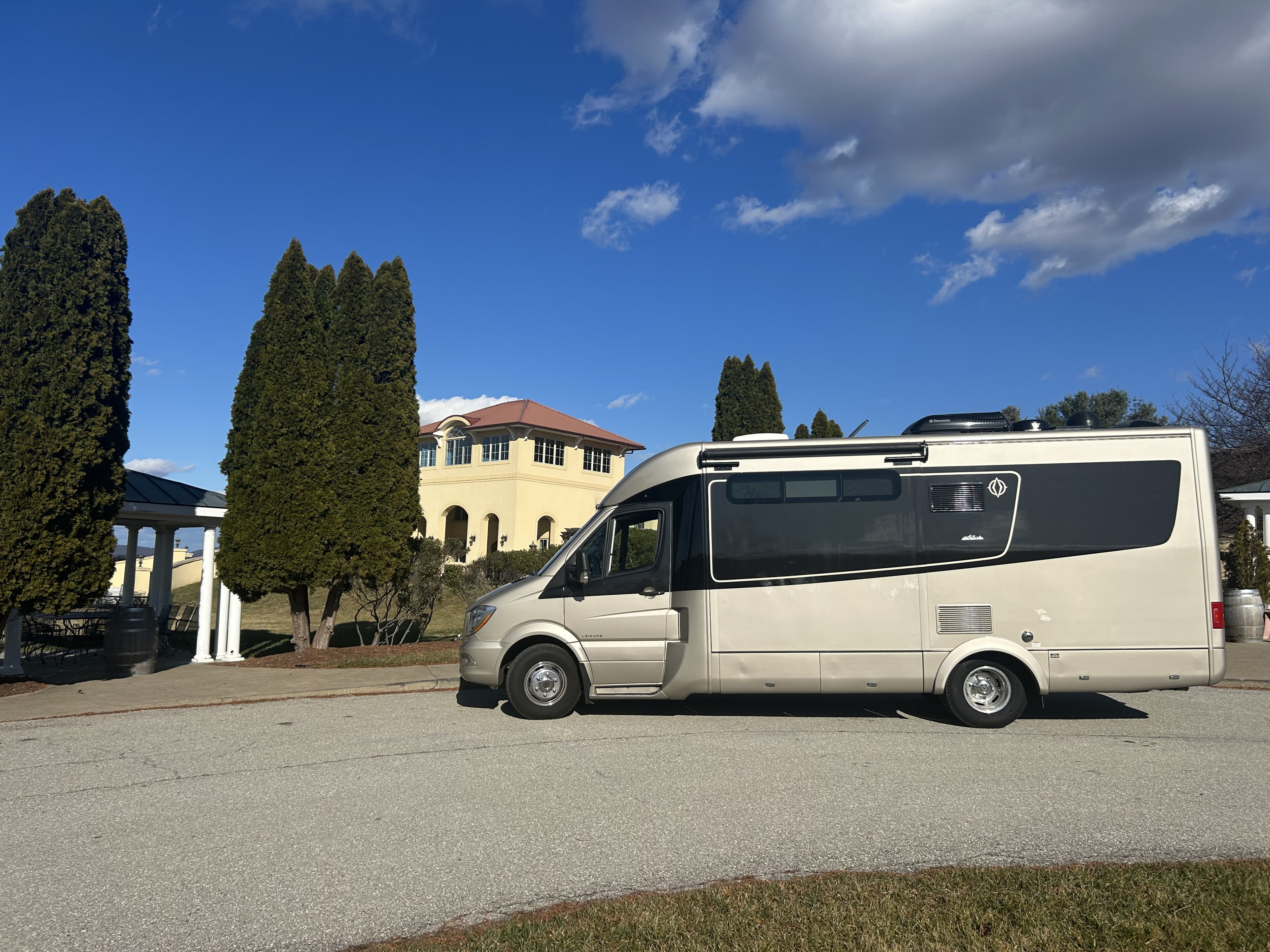
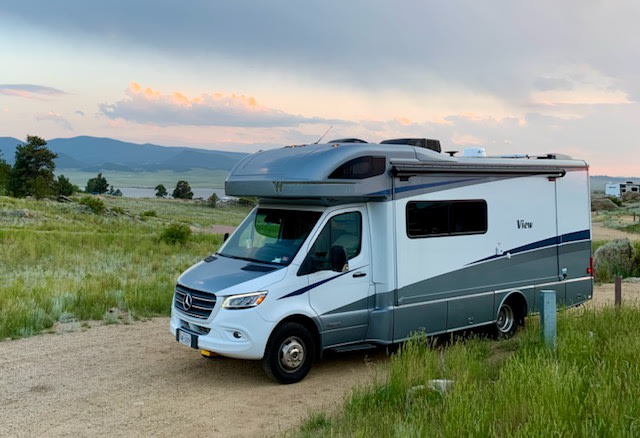
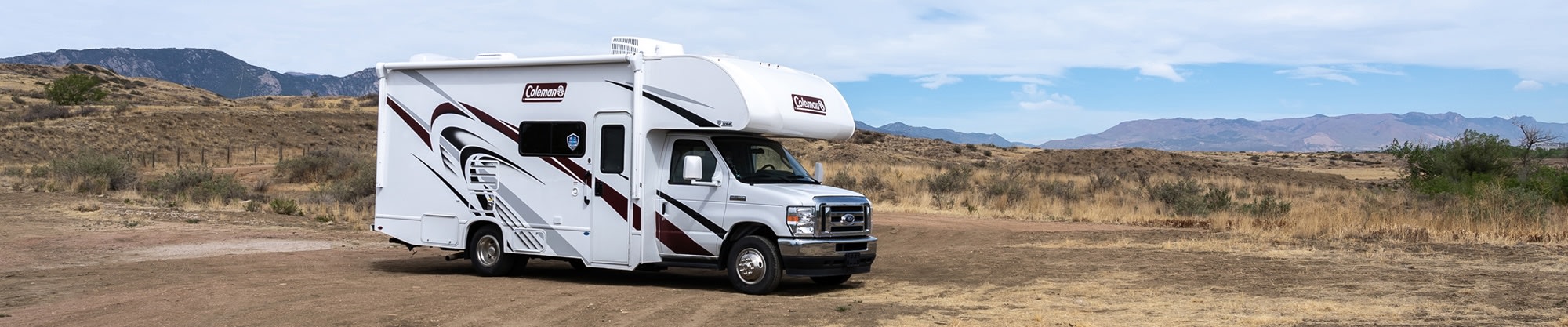
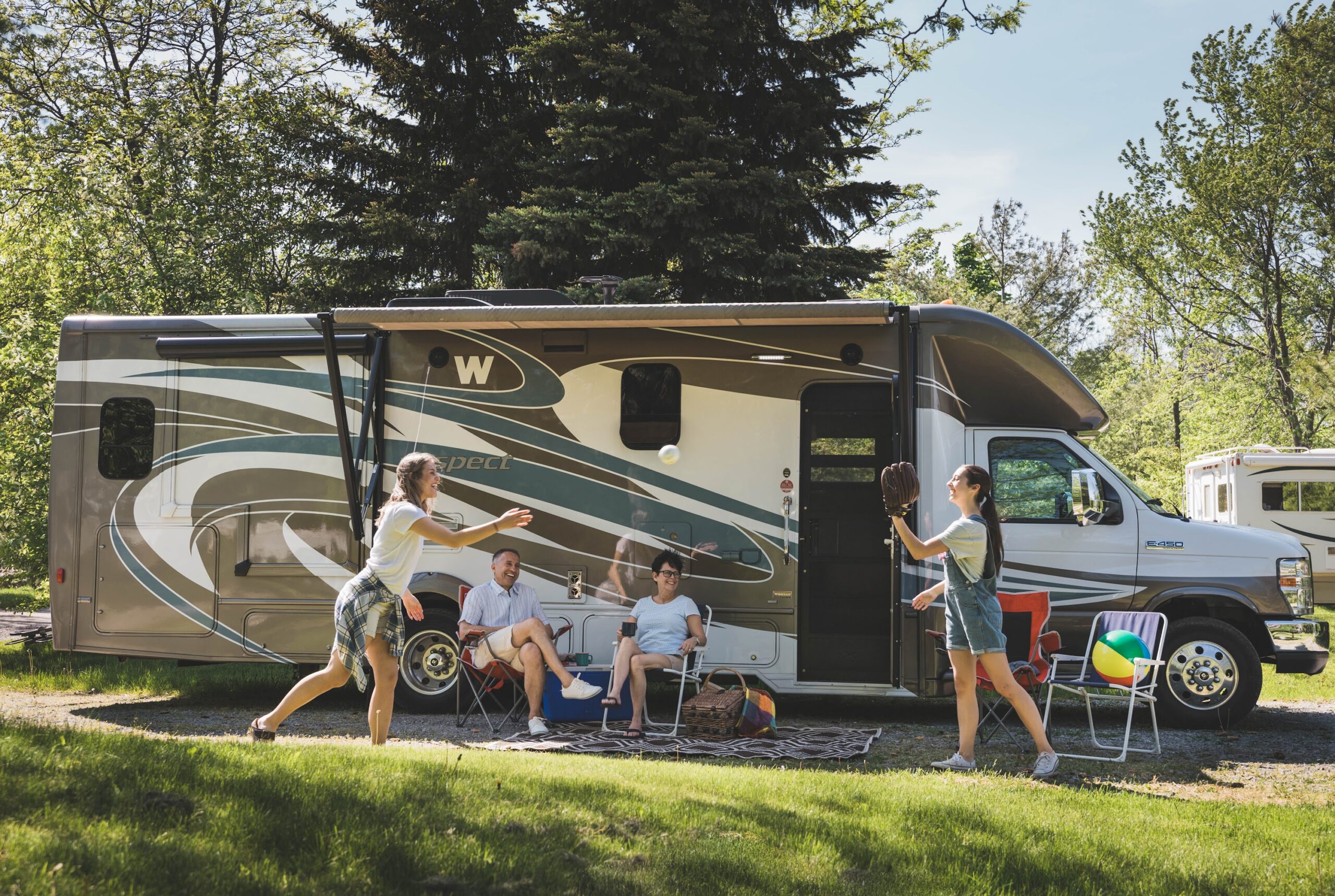
- Class C motorhome (22–32 ft). Standard layout has a cab-over bunk (above the driver's cab) plus the convertible dinette plus a queen in the back. Good for 4–5 people; tighter for 6.
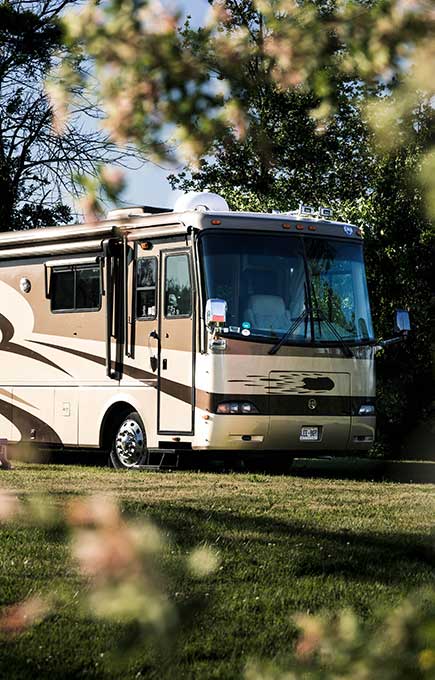
- Class A motorhome (28+ ft). More space, but driving and parking get harder. Bunkhouse models exist but are less common.
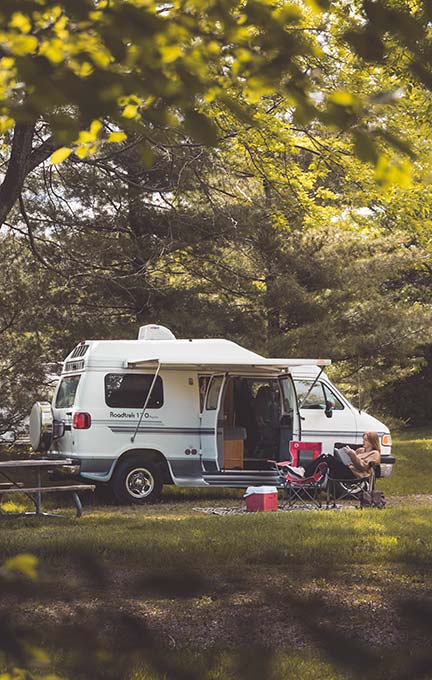
- Class B campervan. Best for a couple or a parent with one older kid. Too tight for two or more young kids on a multi-day trip.
For the deeper layout decision, our big guide to RV classes covers the trade-offs, and renting a bunkhouse travel trailer is the starting browse for the most family-friendly layout.
We've watched families rent a 38-foot Class A for a tight mountain park and spend the week stressed about parking — a smaller Class C would have changed the trip. The right size for the trip almost always beats the bigger rig for the trip.
Which RV trips are best for families — and what should you rent for each?
Pair the trip to the rig. Below, five family-tested trips, each with the right rig and the right kid-friendly base. Pick by your family's age range, your travel window, and how much driving you want to do.
1. Yellowstone + Grand Teton loop (7 days, smaller Class C)
The original American family RV trip. Yellowstone for geysers and wildlife, Grand Teton for jaw-dropping mountain views. Base at one of Yellowstone's in-park campgrounds (Bridge Bay or Canyon) for half the week, then drop south to Colter Bay in Grand Teton. Rig: smaller Class C (22–28 ft) — both parks have campground length caps around 30–40 ft, and the in-park roads are tight. Best for: kids 5–12.
2. Great Smoky Mountains base week (7 days, bunkhouse trailer + tow vehicle)
The Smokies sit between two of the country's most family-friendly gateway towns — Pigeon Forge and Gatlinburg — with Dollywood, water parks, and easy hiking. Base at a full-hookup park in Pigeon Forge or Gatlinburg; day-trip into the park in the tow vehicle. Rig: 28- to 32-foot bunkhouse travel trailer. Best for: kids 4–14 who want amenities + park access.
3. Acadia + Maine coast (7 days, smaller Class C)
Acadia is the most kid-friendly Eastern national park — short hikes, tide pools, the Park Loop Road, and the Cadillac Summit. Base at Blackwoods or Schoodic Woods (Schoodic has electric on most sites). Rig: Class C under 32 ft. Pair with our Acadia RV camping guide for the reservation race. Best for: kids 6–14, August or early September.
4. Black Hills + Badlands base camp (5 days, any family-friendly rig)
Mount Rushmore, Crazy Horse, Custer State Park's wildlife loop, and the Badlands all sit within a 90-minute drive of each other. Base at a full-hookup KOA in Custer or Hill City; explore in day trips. Rig: any family layout that fits 30+ ft full-hookup sites. Best for: kids 7–14 who like history and wildlife.
5. A coastal-Florida or Outer Banks base week (7–10 days, bunkhouse trailer)
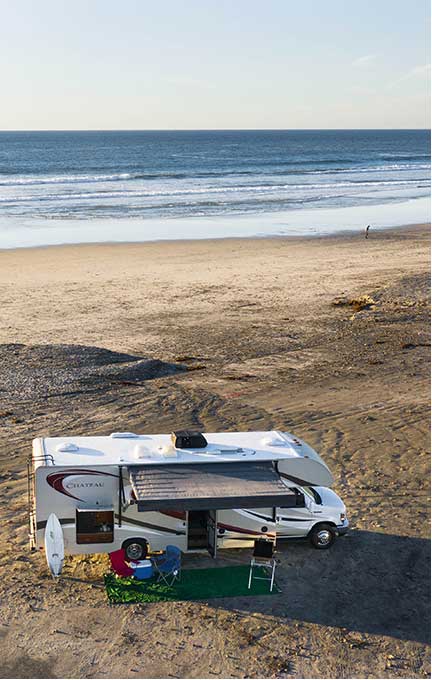
For families with younger kids who'd prefer a beach base over a park-loop drive, a coastal full-hookup park (Florida Gulf Coast, Outer Banks NC, or Maine coast) delivers pool + beach + biking + minimal driving. Rig: bunkhouse travel trailer or larger Class C. Best for: kids 2–8.
For more family-specific destination picks, the best family campgrounds that kids will love covers individual campgrounds we'd return to. The wider kid-friendly national parks index is the larger browse.
Is renting an RV cheaper than flights and a hotel for a family trip?
Sometimes. For a family of four taking a 7-day trip, renting can beat flights-plus-hotels by a strong margin if you stay reasonably close to the pickup city and pick mid-tier campgrounds.
The two big swing factors: food (cooking on board saves meaningfully over restaurants for a family) and lodging (campground vs. hotel is the biggest single difference). The RV bundle wins on both at family size. What an RV rental costs has the rental side in detail.
But is it just about the costs? When you choose an RV trip, you’re choosing experiences and the journey over simple convenience.
What do first-time families forget about an RV trip?
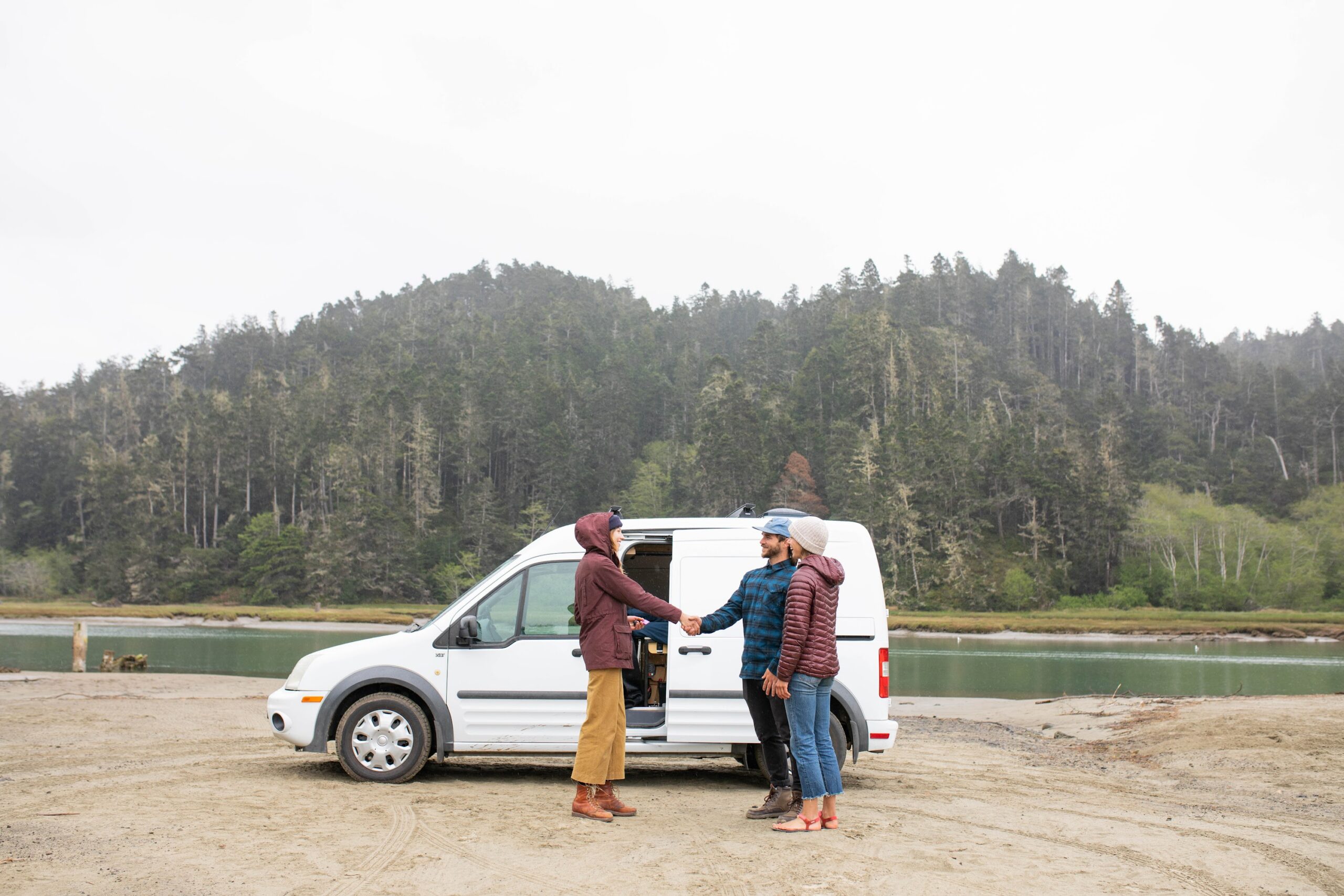
Three things, almost universally. First, pickup eats most of day one — plan only 100–150 miles after pickup. Second, one-way rentals cost more than returning to the same place; the trade-off is worth it for some trips, not for others. Third, the security deposit hold (when the host requires one) is normal — Outdoorsy hosts can set deposits between $500–$1,500, though the 2026 default for many P2P listings is a security-deposit waiver instead.
A few more first-time misses worth knowing:
- Generator quiet hours at most campgrounds are 8 p.m.–8 a.m. Plan the kids' bedtime accordingly.
- The 3-3-3 rule is for grownups; the 2-2-2 rule is for kids. Some families adopt drive ≤2 hours, arrive by 2 p.m., stay 2 nights as a softer cadence for very young kids.
- Park entrance fees add up. The America the Beautiful annual pass ($80 resident / $250 nonresident in 2026) covers every NPS entry for the year.
- Cell coverage drops in mountain parks and the desert. Download offline maps and tell family and work in advance.
Key takeaways
- Pacing first, destination second. The 3-3-3 rule and "drive during naps" are the two best family RV habits.
- Bunkhouse layout for two-plus kids; Class C with cab-over bunk for one kid or short trips.
- Yellowstone + Teton, Smokies, Acadia, Black Hills, coastal Florida/OBX are the five family-tested trips.
- RV can beat flights + hotel for a family of four; cooking on board and campground stays are the big swing factors.
- Pickup eats day one, deposits are normal, generator quiet hours are 8 p.m.–8 a.m.
About this guide
This guide was prepared by the Outdoorsy editorial team. The 3-3-3 rule, the bunkhouse layout recommendations, and the per-destination rig pairings draw on Outdoorsy editorial experience plus the Outdoorsy big guide to RV classes and the NPS park pages for each destination. Family-trip costs vary widely by season, distance, and rig choice — confirm rental prices with the host before booking.